

On this page
- Identify the lawn before changing the setting
- Regional starting points, with their context
- Why reliable sources can give different ranges
- Apply the one-third guideline with simple arithmetic
- Check the exact mower’s adjustment range
- Choose for the height you need to maintain
- Set the mower safely and observe the lawn
- Common questions
- Models discussed
Identify the lawn before changing the setting
Start with the species and, where known, cultivar. Tall fescue, Kentucky bluegrass, zoysia, bermudagrass and St. Augustinegrass do not share one target. Region, shade, season, surface smoothness and the type of lawn you want also affect useful guidance.
If identification is uncertain, ask your local extension service rather than relying on one stock photograph. A mixture may also need advice appropriate to its dominant species. Once you have a target, compare it with your mower’s actual adjustment chart, not a setting number that merely looks familiar.
Regional starting points, with their context
The following extension ranges are starting points tied to the source’s region and grass context. They are not a nationwide prescription or a reason to lower every lawn to the bottom of a range.
| Grass/context | Extension starting guidance | Important qualification |
|---|---|---|
| Tall fescue, Missouri home lawn | 3–4in | MU natural-lawn-care guidance |
| Kentucky bluegrass, Missouri | 2.5–3.5in | Use local/seasonal advice for your lawn |
| Zoysia, Missouri | 1.5–2.5in | Cultivar and local conditions matter |
| Bahiagrass, Florida | 3–4in | UF/IFAS home-lawn table |
| Centipedegrass, Florida | 1.5–2in | UF/IFAS home-lawn table |
| Standard St. Augustinegrass, Florida | 3.5–4in | Some named dwarf/semi-dwarf cultivars use 2.5in |
| Coarse zoysia types, Florida | 2–2.5in | Do not apply to every zoysia cultivar |
| Many bermudagrass home lawns, North Carolina | 1–2.5in | Below 1in requires a reel mower and very level ground in this guidance |
Why reliable sources can give different ranges
Regional recommendations consider different climates, cultivars, seasons and maintenance expectations. A fine-textured lawn managed for a close finish is not the same job as a typical taller home lawn. The useful response to two different ranges is to check the context, rather than average them into a new universal rule.
Zoysia illustrates the point: Missouri guidance and Florida guidance for coarse types overlap but are not identical. A model that technically reaches one end of a range is not automatically the right choice for every zoysia lawn. Keep the cultivar and local extension advice connected to the mower decision.
Apply the one-third guideline with simple arithmetic
For a 3in target, mow by roughly 4.5in: removing 1.5in takes one-third of the existing height. In general, current grass height × two-thirds gives the height remaining after a one-third cut. Conversely, target height × 1.5 gives the corresponding starting-height threshold.
Growth determines how quickly you reach that threshold. A fixed fortnightly schedule can miss it during rapid growth. If the lawn is overgrown, seek appropriate gradual-reduction guidance rather than scalping it in one pass. Mower workload and permitted operating conditions still matter; the arithmetic does not make wet or unsafe mowing appropriate.
Check the exact mower’s adjustment range
A compact mower can be convenient yet have too low a maximum for your target. These named examples show a purchase check that deck width alone misses. Ranges are manufacturer specifications for the identified models, not Lawn Current height measurements.
| Model | Listed/verified manual height range | Why it matters |
|---|---|---|
| EGO LM2114 / LM2110 push mower | 1.25–4in | Includes common taller cool-season settings |
| Greenworks 25322 | 1.25–3.375in | Maximum is below a 3.5–4in target |
| CRAFTSMAN CMEMW213 | 1.5–4in | Check actual position chart, not the lever number |
Choose for the height you need to maintain
If local advice and your cultivar call for 3.5–4in, the Greenworks 25322 maximum is a meaningful limitation, despite its compact size. The EGO LM2114 and CRAFTSMAN CMEMW213 reach 4in in their published ranges, with different battery-versus-cord and handling trade-offs.
For a closely maintained bermudagrass lawn below 1in, do not force these rotary choices into the job simply because they appear in an electric-mower guide. The NC State guidance calls for a reel mower and very level ground at that height. The appropriate cutting system can matter before power source or battery size.
Set the mower safely and observe the lawn
Follow the exact manual’s power-isolation and height-adjustment procedure. Setting 3 does not necessarily mean 3in. Where a mower has individual wheel levers, use the required matching positions; the Toro 21469 is a useful example of four-point adjustment.
Check the result on representative ground and keep the blade in good condition. Uneven surfaces and tired cutting edges can spoil a cut even at a sensible setting. Read electric mower maintenance for blade care and runtime planning for why removing more growth changes the workload. Lowering the deck is not the answer to every untidy lawn.
Common questions
Should every lawn be mowed at 3 inches?
No. Species, cultivar, region and intended use change the target. Use appropriate local extension guidance rather than one height for every grass.
Does height setting 3 mean 3 inches?
Not necessarily. Check the setting chart for the exact mower; numbered positions differ across models.
Can I mow extra short so it grows more slowly?
Cutting too much at once can stress the lawn. Use a suitable target and follow growth, rather than trying to extend the interval by scalping.
Models discussed in this guide
These examples link to the model-specific documentation, compatibility and ownership checks in the full reviews.
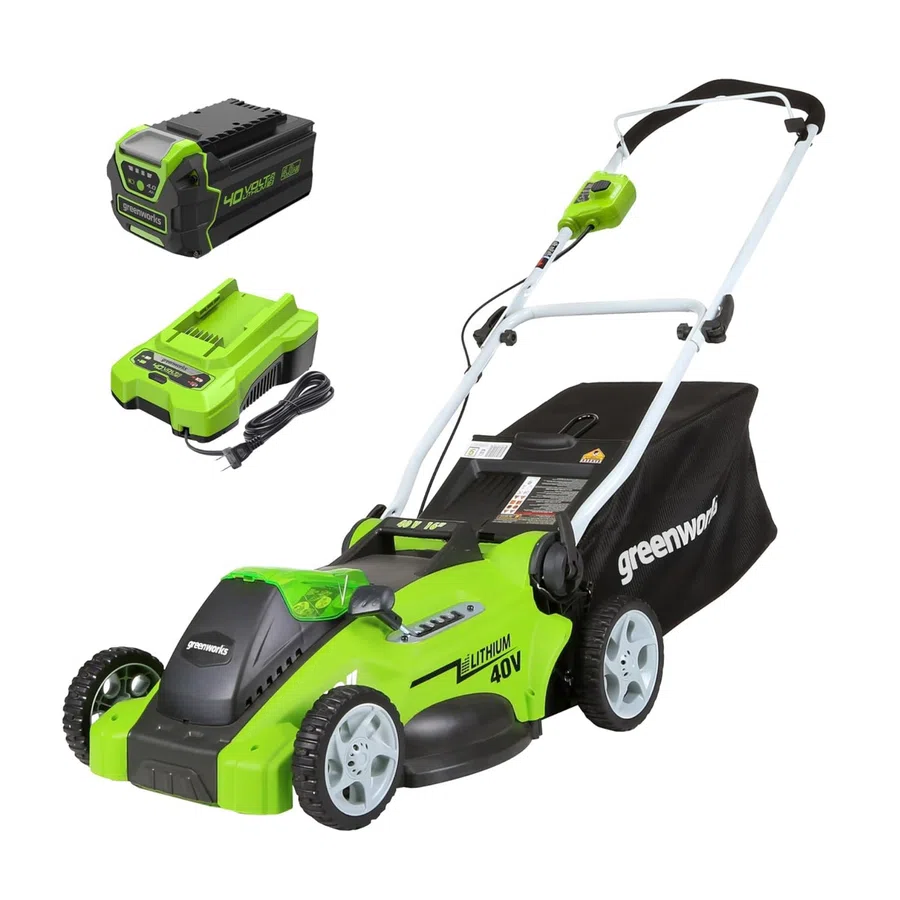
Model discussed in this guide
Greenworks 25322
40V; Push. 1 × 4Ah.
The full review explains the exact kit, compatibility and ownership limitations for this example.
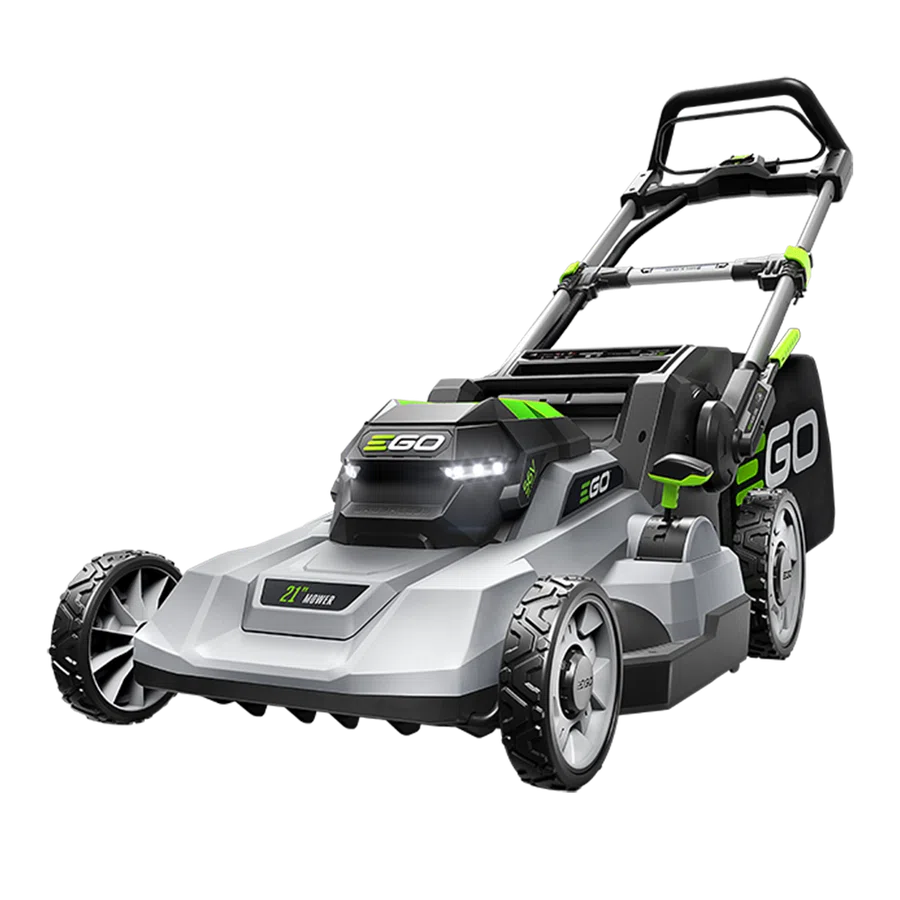
Model discussed in this guide
EGO LM2114
56V ARC Lithium; Push. 1 × 6Ah.
The full review explains the exact kit, compatibility and ownership limitations for this example.
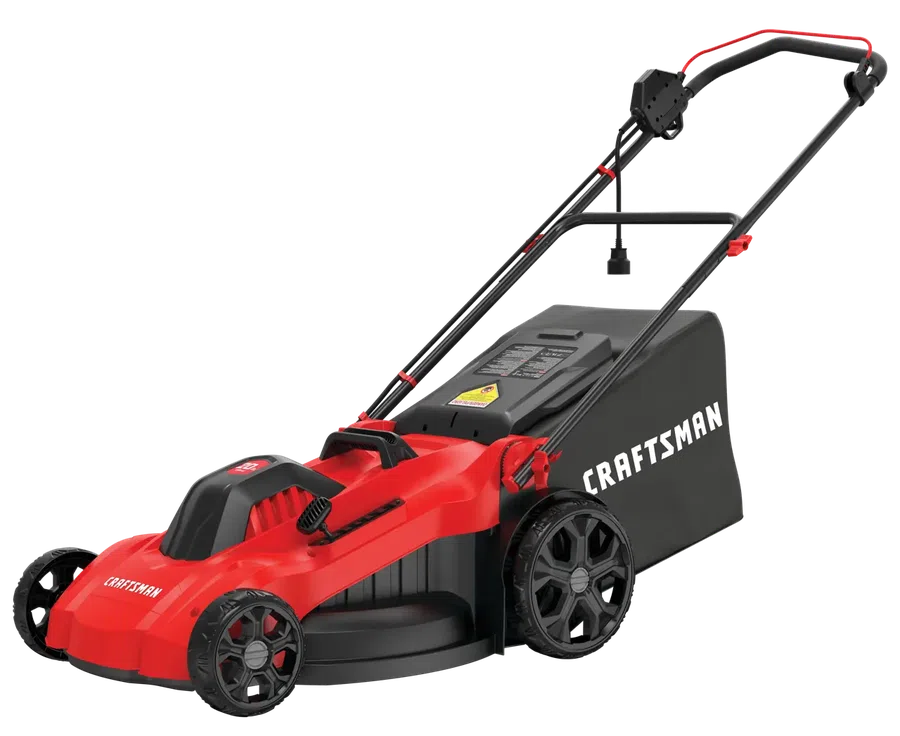
Model discussed in this guide
CRAFTSMAN CMEMW213
120V / 13A corded; Push. No battery or charger required.
The full review explains the exact kit, compatibility and ownership limitations for this example.
Documentation and attribution: sources for this article. How we evaluate mowers.

Written by Steven Burt
Lawn care enthusiast in Nixa, Missouri, and owner of Lawn Current. Meet Steven · Suggest a correction