

On this page
- Use the calculator
- Start with the equipment needed to mow
- Separate upfront and later costs
- Calculate charging from wall energy
- Why the battery label does not equal the bill
- Compare the kit choices that change the calculation
- Use scenarios instead of predicting battery failure
- Compare with keeping equipment you already own
- Check the quote before acting on the result
- Common questions
- Models discussed
Set your own assumptions
Ownership-cost worksheet
These defaults are hypothetical examples, not a 2027 tariff, product quote or battery-life prediction. Replace them with your own quote, energy estimate or meter reading.
The replacement entry is a total allowance across the selected period, not an annual charge. This worksheet excludes resale value, financing, inflation and unentered repairs. It does not compare measured mower performance or guarantee savings.
Start with the equipment needed to mow
A mower-only listing can omit batteries and a charger. A kit can include one pack when the job needs a spare, and some mowers require two installed packs to run. Corded equipment can still need a separately purchased outdoor extension cord that meets its manual.
Price those items before comparing listings. Include a clipping attachment if your preferred mode requires it and it is not supplied. Do not assume every accessory in a promotional photograph is in the box. Keep the actual kit number, parts and seller terms next to the quote so a later price comparison still refers to the same setup.
Separate upfront and later costs
Ownership arithmetic becomes easier when you separate the purchase from recurring use and uncertain replacements. A possibility belongs in a scenario, not disguised as a guaranteed annual bill.
| Cost group | What to enter | Common mistake |
|---|---|---|
| Initial setup | Complete kit, required cord or extra compatible packs, necessary attachments | Comparing a bare mower against a complete kit |
| Electricity | Measured charging kWh × local rate × sessions | Using battery label energy as the measured bill |
| Care and service | Actual blade, sharpening and service costs | Assuming electric means no upkeep |
| Replacement scenario | Current quoted part price and a chosen scenario | Claiming every battery fails at a fixed age |
Calculate charging from wall energy
Charging cost per session = wall energy used in kWh × applicable electricity rate in dollars per kWh. Annual charging cost = session cost × charging sessions per year. Use an appropriately rated measurement method and your utility’s applicable tariff; billing structure and local rates can differ.
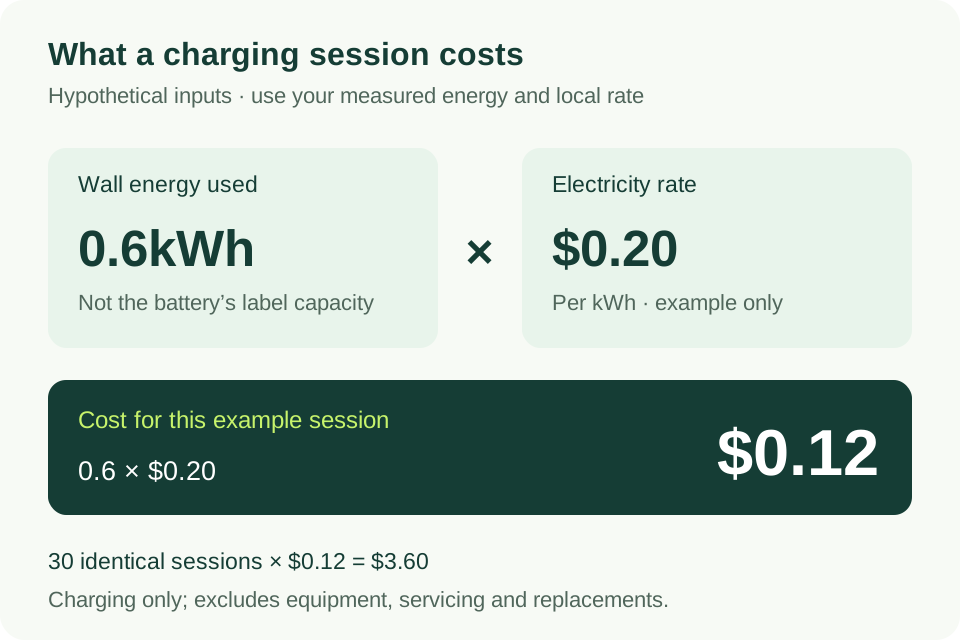
For an explicitly hypothetical example, 0.6kWh at $0.20/kWh costs $0.12. Thirty such sessions cost $3.60. Those inputs are illustrations, not a measured mower result, a national electricity price or a promise about your bill. Enter different values when your own information differs.
Why the battery label does not equal the bill
The Toro 21469 manual identifies its 8Ah pack at 432Wh. That is stored-energy information; it is not a measurement of electricity drawn from the wall for a particular recharge. Starting charge, charging behaviour and losses affect the session.
The same manual uses 54V nominal for that 60V MAX platform. Avoid multiplying a maximum marketing voltage by Ah and presenting the result as metered charging consumption. Where measurement is unavailable, label an energy input as an assumption and avoid inventing a universal charger-efficiency percentage.
Compare the kit choices that change the calculation
The EGO LM2114 is sold as a 6Ah push kit, so compare it with other complete setups rather than a bare chassis. If free movement is not essential and a permitted cord route works, the CRAFTSMAN CMEMW213 changes the cost categories by removing battery and charger ownership.
The Milwaukee 2823-22HD requires two installed M18 packs. A homeowner with one compatible spare still lacks a full replacement operating set. Existing tools can reduce new purchases, but sharing their batteries may also require sequencing mowing and trimming. Compatibility is useful only when the packs and schedule suit the actual work.
Use scenarios instead of predicting battery failure
For a chosen ownership period, compare a no-replacement case with a case containing one or more replacements at current quoted costs. This shows how sensitive the decision is without pretending you know exactly when a pack will stop being useful. Battery warranty length is not a prediction of service life.
The overall formula is total ownership cost = initial setup + charging over the chosen period + care/service over that period + selected replacements. Divide by years only if you want an average annual figure; a replacement in one year is not actually spread evenly across every bill. Keep assumptions consistent when comparing models.
Compare with keeping equipment you already own
If a serviceable mower is already paid for, do not charge its original purchase price again in a keep-versus-replace decision. Compare its expected future spending with the complete new setup, while separately weighing noise, handling, storage and maintenance convenience.
You may reasonably value a simpler routine even when the cash difference is modest. Equally, a lightly used lawn does not automatically justify replacement through electricity savings. Use the electric-versus-gas comparison for the non-price trade-offs.
Check the quote before acting on the result
Use the exact kit, compatible parts, shipping and current seller terms. Check warranty eligibility and the return route. Do not substitute a different battery bundle because a search result shares the mower family name.
The calculator uses your assumptions; it cannot confirm future parts prices or guarantee savings. The budget mower guide explains where simpler models make sense, and battery runtime planning helps avoid buying too little usable capacity merely to lower the initial total.
Common questions
How much does a mower battery cost to charge?
Multiply the session’s measured wall kWh by your applicable electricity rate. The hypothetical example on this page is arithmetic guidance, not a tested cost for a particular mower.
Do electric mowers always cost less over five years?
No. The kit price, use, care, replacement components, local energy prices and equipment you already own can change the result.
Should I replace every battery after three years?
No fixed replacement interval has been verified for these kits. Use useful capacity, condition, manufacturer guidance and transparent cost scenarios.
Models discussed in this guide
These examples link to the model-specific documentation, compatibility and ownership checks in the full reviews.
Model discussed in this guide
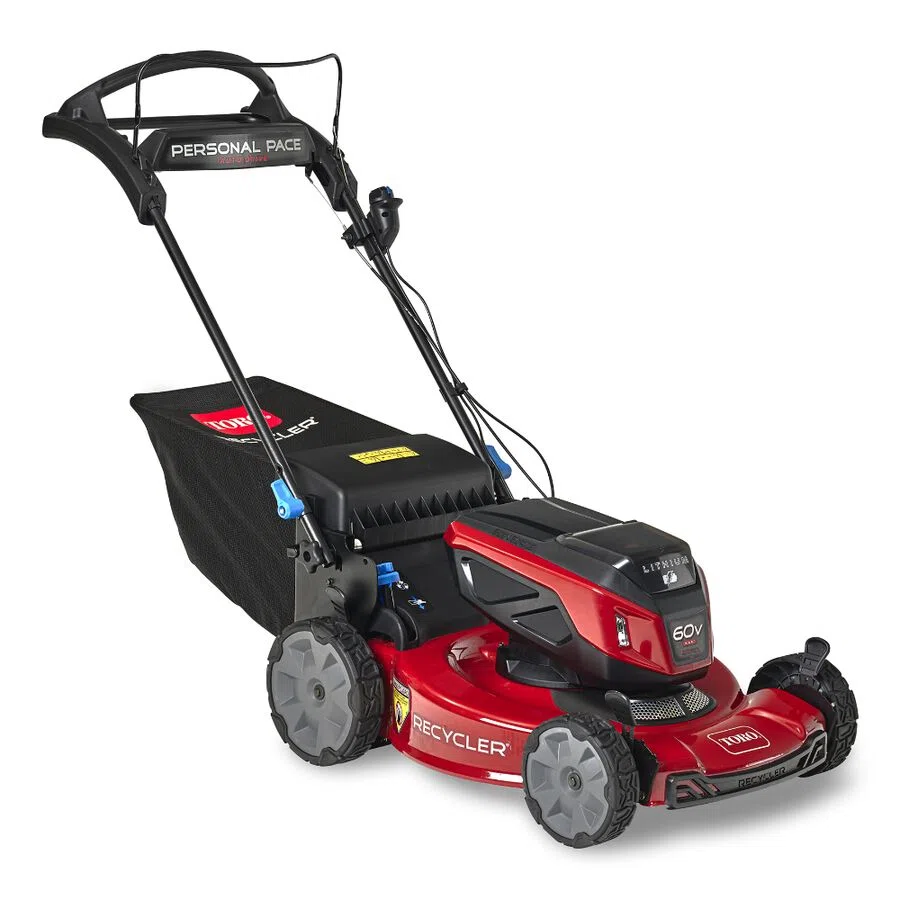
Toro 21469
60V MAX / 54V nominal; Personal Pace rear-wheel self-propelled. 1 × L432 8Ah / 432Wh.
The full review explains the exact kit, compatibility and ownership limitations for this example.
Model discussed in this guide
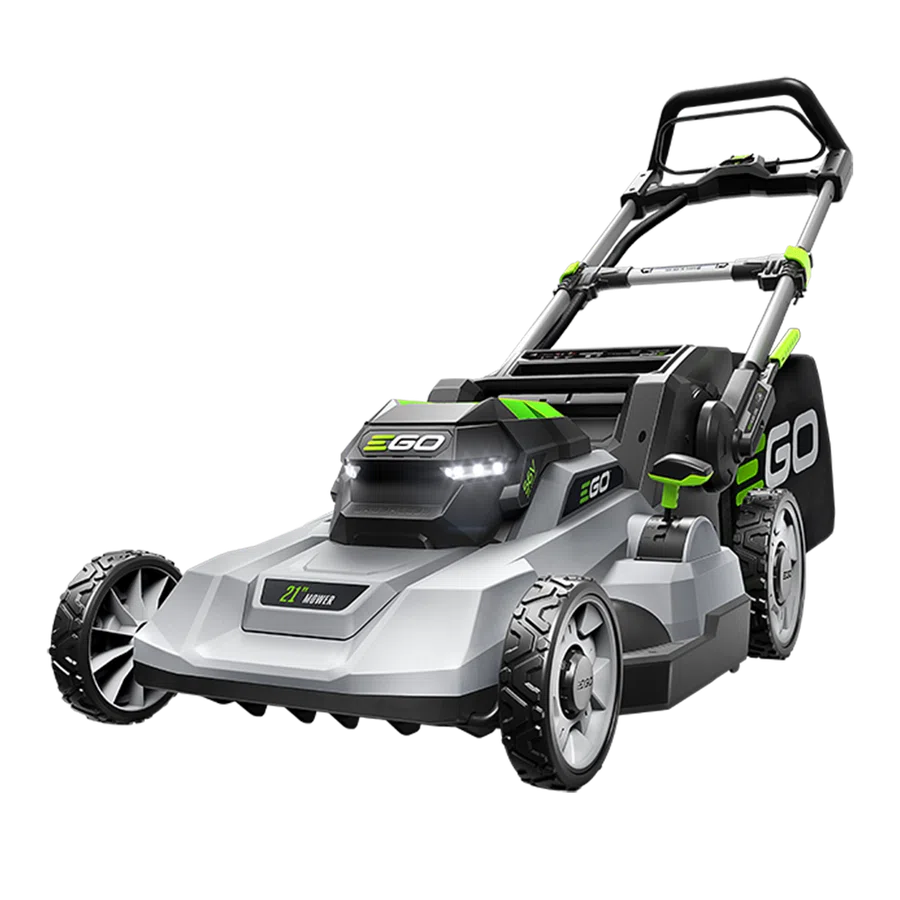
EGO LM2114
56V ARC Lithium; Push. 1 × 6Ah.
The full review explains the exact kit, compatibility and ownership limitations for this example.
Model discussed in this guide
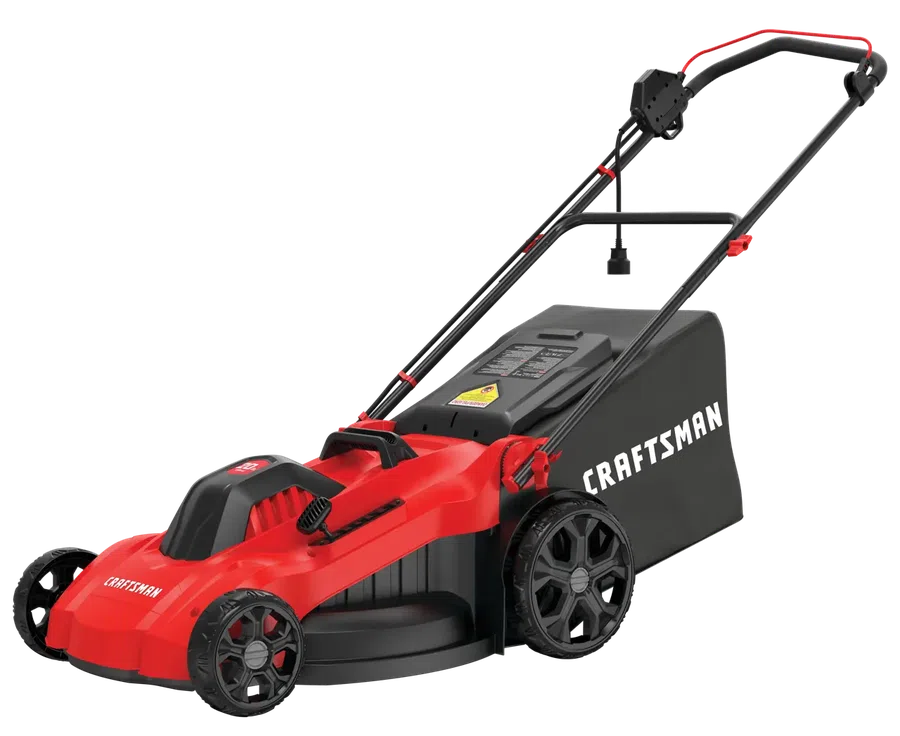
CRAFTSMAN CMEMW213
120V / 13A corded; Push. No battery or charger required.
The full review explains the exact kit, compatibility and ownership limitations for this example.
Documentation and attribution: sources for this article. How we evaluate mowers.

Written by Steven Burt
Lawn care enthusiast in Nixa, Missouri, and owner of Lawn Current. Meet Steven · Suggest a correction