

On this page
- Separate runtime from long-term battery life
- A useful manufacturer example
- Why the same mower may stop sooner
- Compare exact packs, not voltage slogans
- Plan the mowing session and charging breaks
- Keep a log that makes comparisons meaningful
- Troubleshoot before assuming the pack is worn out
- Common questions
- Models discussed
Separate runtime from long-term battery life
A battery can be healthy yet run out before a large job ends. An older pack can still be useful if it comfortably finishes a smaller lawn. This is why a single answer such as “five years” or “one hour” does not resolve both questions.
For shopping, ask how much mowing the supplied pack can support under conditions resembling yours. For an existing battery, ask whether comparable jobs are taking fewer useful minutes and whether cleaning, blade condition or a fault explains the change. The battery’s age alone is not a diagnosis.
A useful manufacturer example
The EGO LM2114 kit uses the LM2110 push mower and a 6Ah BA3360T pack. Its official family manual gives the following approximate figures for that combination. They are manufacturer estimates, not Lawn Current measurements.
| Manufacturer load category | LM2110 with BA3360T 6Ah |
|---|---|
| Light | 55 minutes |
| Medium | 40 minutes |
| Heavy | 30 minutes |
Why the same mower may stop sooner
The example shows why the largest number cannot be treated as a promise. Grass condition changes the work, including how much you remove in a pass and how dense the growth is. A second pass over difficult areas also changes the job without changing the lawn’s measured area.
Mower configuration matters as well. The EGO LM2156SP has alternative lower blades with different purposes; its manual explains that blade choice affects runtime. Drive assistance, operating mode and pack condition can also matter. Do not assume a fixed percentage penalty for each factor, or mow wet grass to reproduce a comparison when the manual forbids it.
Compare exact packs, not voltage slogans
Begin with the compatible battery family, required pack count and the manufacturer’s stated energy where available. The Toro 21469 manual lists an 8Ah pack at 432Wh, using 54V nominal despite the 60V MAX platform label. Multiplying a marketing maximum voltage by Ah can therefore give the wrong energy comparison.
The Milwaukee 2823-22HD needs two installed M18 packs. Treat those as an operating set; one spare battery is not a second set. Also confirm which packs a seller includes rather than transferring a runtime claim from a different kit. More energy is useful information, but it still does not establish identical mower efficiency or guaranteed minutes.
Plan the mowing session and charging breaks
Time an ordinary mow and separate blade-on work from stops. Record net grass area, cut height, collection method and where you repeat passes. Then compare that routine with the exact-kit claim. If your normal session is already as long as the most favourable manufacturer estimate, treat one-charge completion as uncertain.
A charging plan should include the supplied charger, permitted charging temperatures and any cooling pause. Avoid assuming the next pack will be ready as soon as the first is empty. A larger spare or faster approved charger can be an ownership option, but only after compatibility, cost and the actual bottleneck have been checked.
Keep a log that makes comparisons meaningful
One difficult afternoon is a poor basis for judging battery aging. Compare repeated sessions under similar permitted conditions, and record changes that might explain the result. A practical log also gives service support more to work with than “the battery seems weak.”
- Mower model, battery model and which physical pack was used.
- Starting charge indication, blade/mode and use of drive assistance.
- Starting grass height, intended cut height and whether growth was light or demanding.
- Blade-on time, pauses, completed grass area and any faults.
- Cleaning, blade service or other changes since the previous session.
Troubleshoot before assuming the pack is worn out
Follow the exact manual’s fault indicators, inspect the mower after safe isolation and address accumulated clippings or a damaged blade as instructed. A charger rejecting a pack can involve temperature, connection or a fault; repeated attempts are not a substitute for the documented troubleshooting process.
Stop using damaged or abnormal batteries and follow manufacturer handling guidance. Do not open a pack, replace individual cells or use an improvised adapter. For off-season care, use the winter-storage guide. For changing workload, read mowing height by grass type and the maintenance checklist.
Common questions
How many years should a mower battery last?
No universal replacement interval has been verified for these exact kits. Usage, storage, temperature, charging and the capacity your lawn needs affect useful service life.
Does higher voltage mean longer runtime?
No. Compare exact packs, stated energy and workload. Voltage alone cannot establish duration, cut quality or compatibility.
Will twice the Ah give exactly twice the mowing time?
Do not assume an exact doubling. Pack fit, controls, mower configuration and conditions affect the result. Look for information for the exact combination.
Models discussed in this guide
These examples link to the model-specific documentation, compatibility and ownership checks in the full reviews.
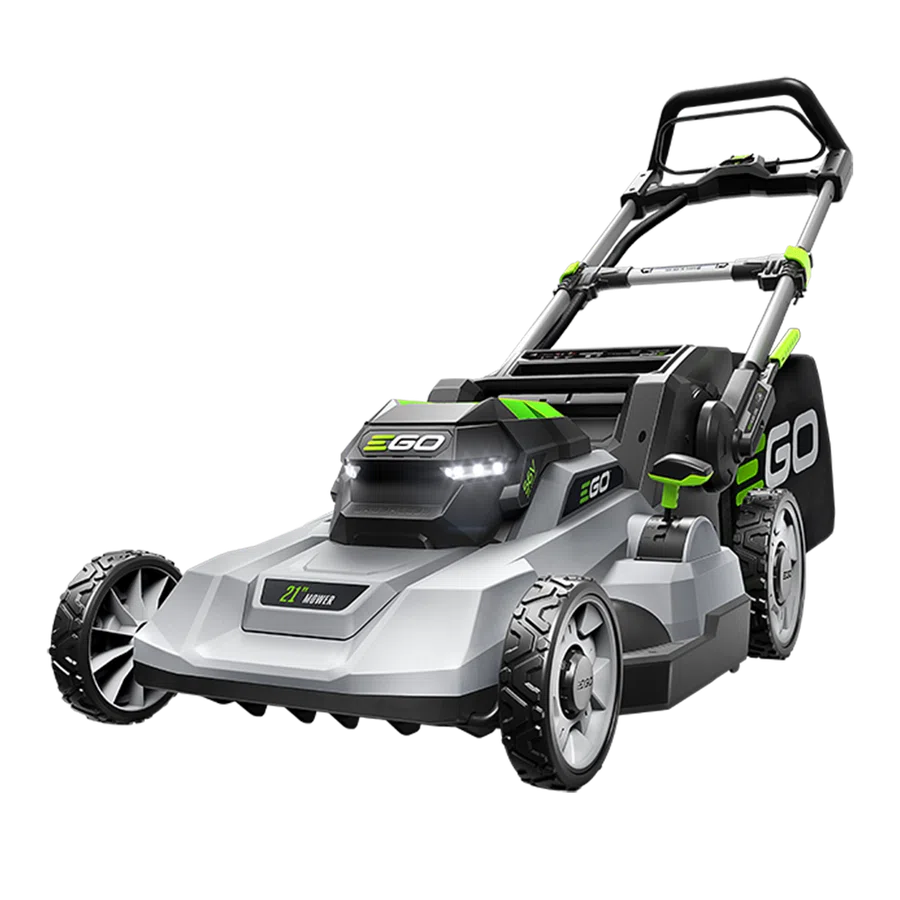
Model discussed in this guide
EGO LM2114
56V ARC Lithium; Push. 1 × 6Ah.
The full review explains the exact kit, compatibility and ownership limitations for this example.
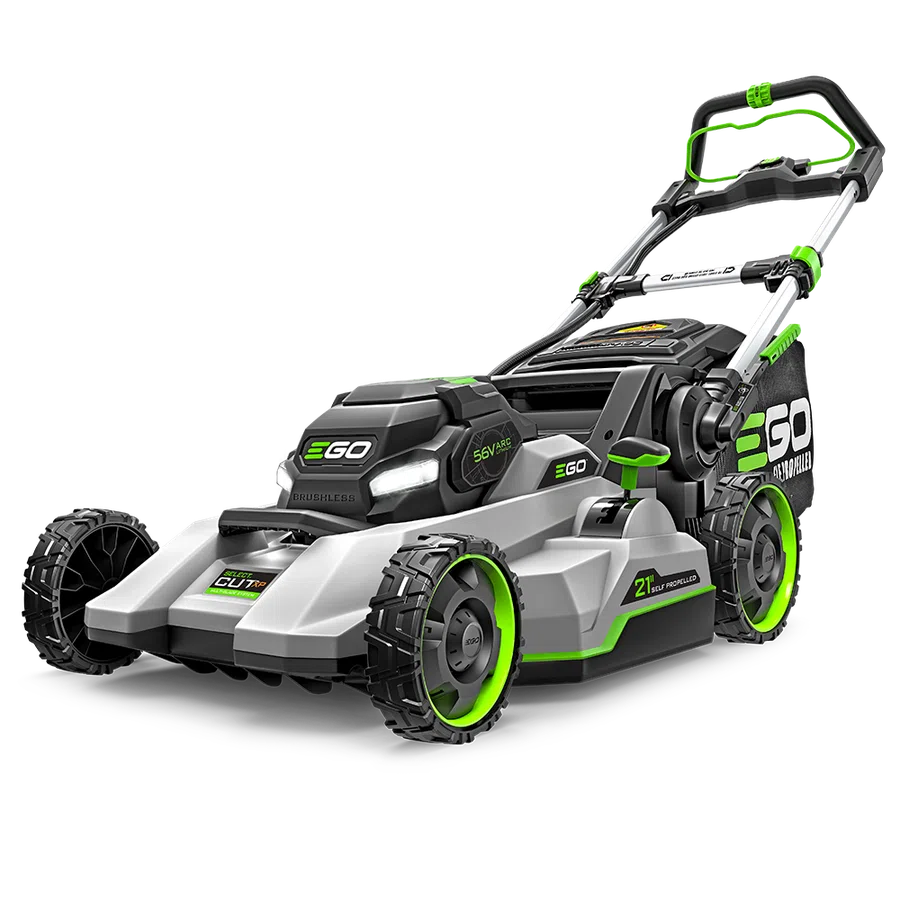
Model discussed in this guide
EGO LM2156SP
56V ARC Lithium; Self-propelled. 1 × 10Ah.
The full review explains the exact kit, compatibility and ownership limitations for this example.
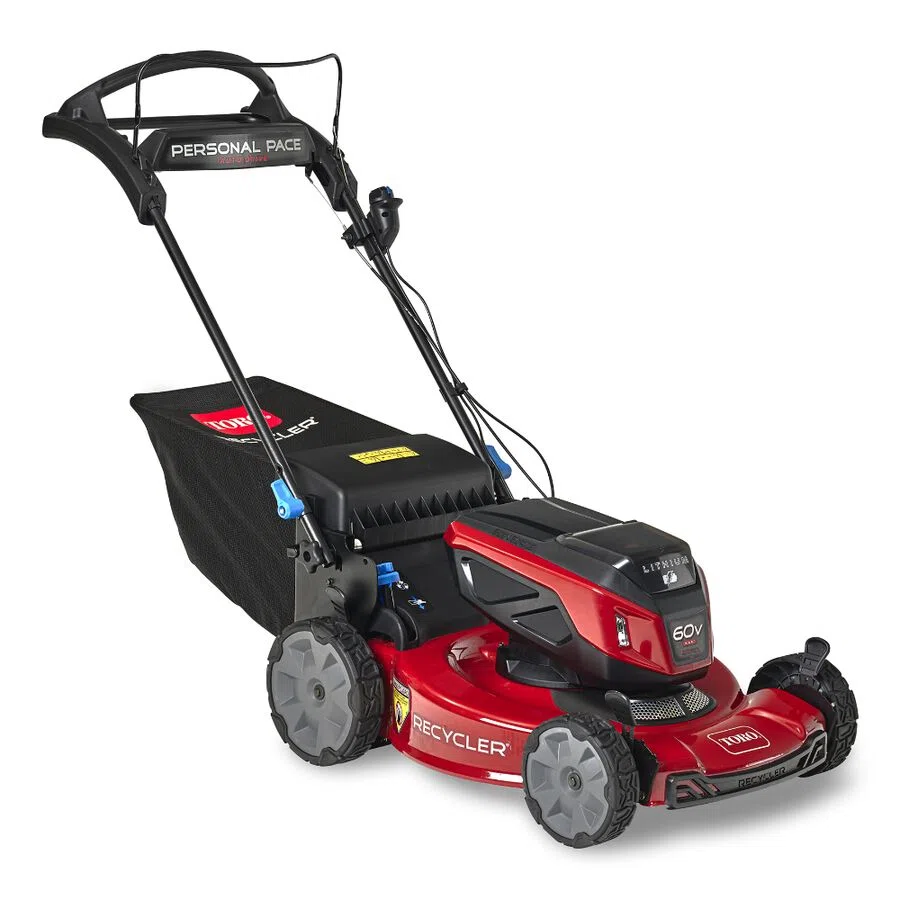
Model discussed in this guide
Toro 21469
60V MAX / 54V nominal; Personal Pace rear-wheel self-propelled. 1 × L432 8Ah / 432Wh.
The full review explains the exact kit, compatibility and ownership limitations for this example.
Documentation and attribution: sources for this article. How we evaluate mowers.

Written by Steven Burt
Lawn care enthusiast in Nixa, Missouri, and owner of Lawn Current. Meet Steven · Suggest a correction